Finding the right mountain bike for a 12-year-old involves balancing weight, size, braking power, and gear range. The bikes below cover a range of wheel sizes (20″ and 24″) and include features like suspension forks, multiple speeds, and reliable braking systems. This guide highlights five top picks to help parents choose a bike that grows with a young rider’s skill and confidence while offering solid value and safety.
| Product | Brand | Wheel Size | Notable Feature |
|---|---|---|---|
| Glerc Mars Kids Mountain Bike | Glerc | 20 inch | 2.8-inch fat tires, SHIMANO 6-speed |
| AVASTA 20” Big Kids Mountain Bike (Black) | AVASTA | 20 inch | Suspension fork, dual hand brakes, 6 speeds |
| WEIZE Kids Mountain Bike | WEIZE | 20 inch | Dual full suspension, 6 speeds |
| RoyalBaby X9 Kids Mountain Bike | RoyalBaby | 24 inch | Lightweight aluminum frame, 21 speeds |
| JOYSTAR Lubbock 24 Inch | JOYSTAR | 24 inch | 7-speed, steel frame, kickstand |
Below are five highly capable options that balance weight, ride feel, and gearing to support a 12-year-old rider as they explore varied terrain from pavement to dirt trails. Each selection emphasizes safety features like reliable braking and sturdy frames, while offering enough gear range to tackle hills and longer rides.
Glerc Mars 20 Inch Fat Tire Mountain Bike

The Glerc Mars Mountain Bike is designed for ages around 6-12 and features extra-wide 2.8-inch fat tires that provide stability and traction on sand, snow, grass, or rough trails. It uses a SHIMANO 6-speed derailleur system, enabling smoother climbs and faster rides as a rider gains confidence. Front and rear mechanical disc brakes offer solid stopping power under varied weather conditions, contributing to safer descents and stops on dirt paths or wet surfaces.
AVASTA 20” Big Kids Mountain Bike (Black)
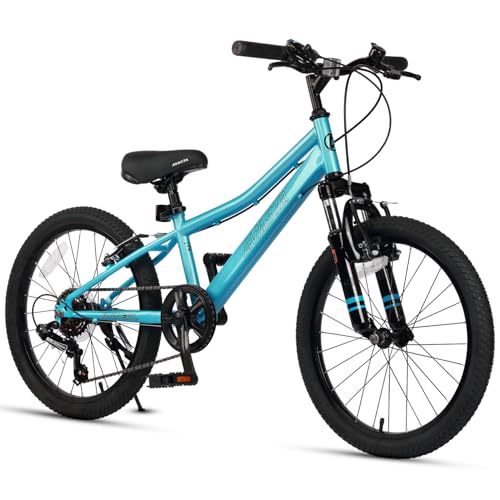
This AVASTA model combines a lowered frame height for easy mounting with a robust 20″ wheel setup and a 6-speed drivetrain. A front suspension fork and higher-volume tires help absorb bumps on rough roads and light trails, while dual V-brakes provide straightforward, confident braking for younger riders learning control on varied terrain.
WEIZE Kids Mountain Bike, 20 Inch

The WEIZE bike emphasizes a durable high-carbon steel frame with a lower standover height for easy mounting. It uses 20×2.125″ tires that balance traction and ride comfort. A dual handbrake system, with front and rear V-brakes, offers reliable stopping power—an important safety feature for new riders navigating mixed surfaces and gentle slopes.
RoyalBaby X9 24 Inch Mountain Bike

The RoyalBaby X9 blends a lightweight aluminum frame with a 21-speed drivetrain, designed to accommodate a wider range of terrains and hills. Its hardtail suspension fork helps absorb bumps, improving comfort on rough trails. The bike’s knobby tires offer traction across diverse surfaces, while the lightweight construction supports easier handling for smaller riders as they gain strength and balance.
JOYSTAR Lubbock 24 Inch Kids Mountain Bike

The JOYSTAR Lubbock 24″ is built for older kids and tweens, with a 7-speed drivetrain and a sturdy hi-ten steel frame. It includes a kickstand for easy parking and stable takes at rest breaks. The combination of durable construction and a capable gearing setup makes it suitable for longer rides and some light off-road use, depending on the rider’s experience and terrain.
Buying Guide: What To Consider When Picking The Right Bike
Riding age, height, and inseam length are primary considerations. Many 12-year-olds fit best on 20″ or 24″ wheels, with the choice often hinging on the rider’s leg length and comfort with balance. Look for a bike with adjustable seat height, reliable brakes (disc or V-brakes with easy reach levers), and a drivetrain that offers an appropriate gear range for hills and flat terrain.
Key factors to compare across models:
- Wheel size: 20″ is common for younger tweens; 24″ suits taller riders with longer legs.
- Braking: Dual hand brakes (front and rear) improve control, particularly for new riders navigating varying surfaces.
- Suspension: Front suspension helps absorb bumps; full suspension is more common on higher-end kids bikes but adds weight.
- Weight: Lighter frames are easier to handle, but durability matters for off-road use.
- Gearing: More speeds help with climbs and longer rides, while fewer gears simplify shifting for beginners.
- Frame geometry: A lower standover height aids mounting and confidence, especially for riders transitioning from training wheels.
Safety and fit are crucial. Always confirm proper bike size by measuring the rider’s inseam and comparing it to the bike’s standover height. A well-fitted bike reduces the risk of knee or hip strain and makes starting, stopping, and maneuvering much easier. Consider investing in a properly fitted helmet, knee and elbow pads, and reflective gear for rides on streets or shared paths.
Durability and maintenance are also important. Bikes with sturdy frames, quality components, and easy-to-service parts can withstand frequent use and minor crashes typical of learning riders. Spare parts availability and local service options can influence long-term satisfaction as a child grows and explores new trails.
Finally, assess the rider’s goals. If the focus is straightforward neighborhood cruising or casual trail rides, a 20″ model with reliable brakes and a simple gear setup may suffice. For kids who plan longer rides or more ambitious trail adventures, a lighter 24″ bike with a broader gear range and a suspension fork may better match their developing skills and confidence.
Add a Comment