Finding a reliable 200 ft climbing rope is essential for any serious outdoor enthusiast, arborist, or rescue professional. This guide highlights five top-rated 200 ft ropes, each with strong construction, durable materials, and clear performance advantages. Read on to compare strength, diameter, and handling, and to learn what matters most when choosing a rope for rock climbing, tree work, or emergency scenarios.
Summary of chosen products
| Product | Length | Diameter | Material | ||
|---|---|---|---|---|---|
| VEVOR Double Braided Polyester Rope | 220 ft | 1/2 in | Double braided polyester | 8000 LBS | VEVOR Store |
| Double Braided Arborist Rigging Rope | 200 ft | 1/2 in | Polyester | High strength (unspecified) | DerziNet Store |
| VEVOR 12.7mm Static Climbing Rope | 200 ft | 12.7 mm (~1/2 in) | Polyester | 30 kN (≈ 6700 LBS) | VEVOR Store |
| AOLEBA 10.5 mm Static Rope | 32–230 ft (varies by option) | 10.5 mm | Static Nylon/Polyester blend | Not specified | AOLEBA Store |
| 1/2 in x 200 ft Double Braid Arborist Rope | 200 ft | 1/2 in | Double braid polyester | High tensile strength | CRAYZA Store |
Selecting the right rope depends on how you intend to use it: static ropes minimize stretch for controlled descents, while high-strength, abrasion-resistant designs withstand heavy loads in tree work, rescue scenarios, and outdoor adventures.
VEVOR Double Braided Polyester Rope — 220 ft
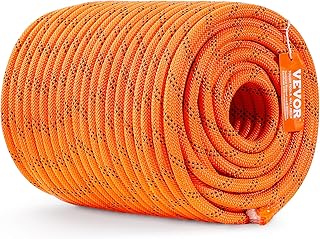
This 1/2 inch, 220 ft rope uses a double-braided construction that blends a high-strength outer sheath with a twisted inner core. The design aims to combine durability with flexibility, making it easier to knot and maneuver. A notable feature is its 8000 LBS breaking strength, delivering plenty of margin for professional tasks such as arborist work, camping rigging, or rescue operations. The extra 20% of length compared to standard 200 ft ropes makes it a practical option for taller setups or building an elevated line for climbing or descending.
The rope’s polyester composition contributes to abrasion resistance and weather tolerance, which is ideal for outdoor environments. For users who require a rope that remains reliable through repeated use, the double-braided construction provides a protective layer against fraying. Handling is generally comfortable, and the rope tends to knot well, reducing the chance of slippage during critical operations. As with any high-strength rope, proper inspection before each use is advised to catch any wear from chafing or impact.
DerziNet Double Braided Arborist Rigging Rope — 200 ft

This 1/2 inch, 200 ft arborist rope features a 48-strand polyester core with a two-layer high-strength sheath. The construction aims to deliver strong abrasion resistance and durability for tree work, pulling, and towing. The company highlights a flexible twisting process that improves knot-ability and reduces stiffness, which can ease handling during delicate rigging tasks. Hot melt cutting technology is mentioned to help prevent unravelling at the ends, extending rope life in demanding environments.
In practice, the rope’s resilience against bark contact and rough surfaces makes it suitable for climbing, lowering, or hoisting loads in arborist applications. Its double-braid build supports stability under load and helps the rope retain shape, which is beneficial when guiding lines through friction devices or carabiners. As with any rigging line, regular checks for core damage, sheath wear, and evidence of glazing are essential for safety and performance.
VEVOR Static Climbing Rope — 200 ft, 30 kN

This 0.4 inch diameter static rope provides a strong 32 kN breaking strength, aligning with ASTM standards for fall protection. The low-stretch design (maximum elongation around 4%) supports controlled descents and precise movement, which is critical for climbers and rescue operators. The braided construction enhances abrasion resistance, making it suitable for repeated use in rock faces, trees, or aerial setups. The rope’s rigidity may require more effort to knot than slicker dynamic alternatives, but it offers predictable performance under load.
Users benefit from its stable performance in anchor systems and friction devices, where minimizing stretch reduces bounce and swing. Careful inspection before and after climbs helps identify core ply wear or sheath cracking. This rope is well-suited for fixed-line work, rescue scenarios, or as a reliable secondary line in outdoor expeditions that demand durability and consistency.
AOLEBA 10.5 mm Static Rope — 32–230 ft

AOLEBA’s 10.5 mm static rope offers a compact diameter with a range of lengths from 32 ft to 230 ft, providing flexible options for different setups. The product emphasizes high-strength nylon construction with abrasion resistance and anti-slip properties, suitable for fire rescue, ice climbing, or escape rope needs. The package includes rope and a drawstring bag for easy transport and storage. While specific breaking strength isn’t listed, the stated material properties suggest a focus on stability and durability in static rope applications.
Ideal for situations requiring a lightweight, easy-to-manage line, this rope can pair with a range of anchor points and devices. As with all ropes used for safety-critical purposes, users should inspect for strand separation or coating wear. Its lighter feel compared to heavier double-braid options may be preferred for quick rigging, practice climbs, or training scenarios.
CRAYZA 1/2 in x 200 ft Double Braid Arborist Rope

This 1/2 inch diameter, 200 ft rope is designed for arborist rigging and tree work, focusing on toughness and reliability. The double braid construction and 48-strand reinforced polyester core deliver high tensile strength for demanding tasks like lowering, hauling, and general outdoor pulling. The tight weave helps resist abrasion from tree bark and rough surfaces, preserving rope life during repeated use. Operators benefit from strong shape retention under load, which helps with precise rigging and stability when used with friction devices or pulleys.
The rope’s heavy-duty design supports consistent performance across various applications, from climber setups to rescue operations. Regular inspection for fraying, core damage, or sheath wear is recommended to ensure continued safety.
Buying Guide: 200 ft Climbing Rope Essentials
Key considerations when choosing a 200 ft rope include diameter, material, construction, and intended use. Static ropes, with minimal stretch, are ideal for fixed lines, rappelling, and rescue operations, while dynamic ropes are designed to absorb shock during falls. Abrasion resistance and knot-ability matter for arborist work where frequent rigging and knotting occur. Length needs can vary; 200 ft is a common choice for trees, multi-point rigging, or tall climbing setups, while 220 ft can offer extra reach for certain scenarios.
Material choices influence durability and weather tolerance. Polyester fibers provide good abrasion resistance and lower stretch, making them suitable for static lines in rocky or wooded environments. Nylon blends can improve flexibility but may stretch more under load. A double-braid construction often increases strength and resistance to fraying, though some users prefer a smoother outer sheath for easier rope management through pulleys and devices.
Practical tips for safe use include visual inspections before each climb or rigging task, checking for core damage, sheath wear, glazing, or frayed strands. Always use appropriate anchors, harnesses, and devices, and retire any rope showing significant wear or heat damage. If you work in professional settings, confirm compliance with relevant standards and guidelines for fall protection and load-bearing equipment.
Comparative perspective: choose a rope based on application. For tree work and rigging, a robust, abrasion-resistant double-braid rope with a strong breaking strength and predictable handling offers reliability under load. For rescue or emergency scenarios, static lines with minimal stretch and consistent performance help ensure controlled movements and safer outcomes. If portability and ease of knotting are priorities, consider a rope with a slightly more flexible construction, provided it still meets required strength levels.
Add a Comment