Choosing the right camouflage weight lifting belt can improve core stability, protect the lower back, and help you push through heavy sets. Below are five top-rated belts designed for squats, deadlifts, lunges, and more. Each selection emphasizes durability, comfort, and reliable performance to support both men and women in serious training.
| Product | Brand | Key Feature |
|---|---|---|
| RitFit Weight Lifting Belt – 6 Inch Black/Camouflage | RitFit Store | 6” wide contoured support, durable tricot, ~10% lift increase |
| Gymreapers Quick Locking Weight Lifting Belt | Gymreapers Store | Fast, secure quick-lock buckle for seamless transitions |
| RitFit Weight Lifting Belt – 6 Inch Black/Camouflage | RitFit Store | Same versatile 6” design for reliable power and stability |
| Weight Lifting Belt for Men and Women | Iron Bull Strength Store | All-around performance for Olympic, Cross-Training, bodybuilding |
| IBRO Powerlifting Lever Gym Belt | IBRO Store | 10MM leather with lever buckle for rapid adjustments |
RitFit 6-Inch Camouflage Weight Lifting Belt

The RitFit 6” camouflage belt is designed for both men and women who perform squats, deadlifts, lunges, and various compound movements. The belt features a wide contour that stabilizes the back, abs, and core, helping to prevent injuries during heavy lifts. It’s built from premium reinforced tricot for durability and comfort, minimizing ride-up and digging. Users report improved core stability due to consistent intra-abdominal pressure, potentially supporting increased lifting performance over time.
Gymreapers Quick Locking Weight Lifting Belt

This belt emphasizes a strong quick-locking buckle with a uniform width around the entire belt, designed to protect and drive performance across cross-training sessions. The secure buckle minimizes downtime between exercises, allowing for rapid adjustments during workouts. The belt aims to enhance intra-abdominal pressure for better core stability and lifting performance as you transition through lifts. Sizing guidance suggests consulting the image gallery’s chart to measure your core for an accurate fit.
RitFit 6-Inch Camouflage Weight Lifting Belt (Alternative Listing)
This listing mirrors the 6” contoured RitFit design, highlighting core stability and durability. The reinforced tricot construction focuses on long-lasting wear and comfort during heavy lifts. The belt’s design supports maintaining intra-abdominal pressure, which can contribute to safer and more productive squats and deadlifts in training cycles.
Iron Bull Strength Weight Lifting Belt For Men And Women

Designed for versatile training across Olympic, Cross-Training, and bodybuilding routines, this belt targets both comfort and performance. Its construction supports squats, deadlifts, and lunges while promoting core stability. While not explicitly noted for camouflage styling, its broad utility makes it a strong option for lifters seeking a reliable all-around belt without compromising durability or comfort.
IBRO Powerlifting Lever Gym Belt
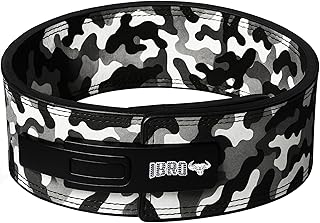
The IBRO Powerlifting Lever Belt is a high-end lever belt option featuring 10MM thickness with a 4-inch back support. The quick lever buckle allows lifters to tighten or loosen rapidly, enabling intense lifting sessions with minimal downtime. The belt uses premium Amara suede leather, designed for comfort and durability during heavy lifts such as squats and deadlifts, while maintaining a contoured fit for long training blocks.
Buying Guide: Key Purchase Considerations And How To Choose
- Width and Back Support: Standard belts range from 4 to 6 inches. A wider belt (around 4–6 inches) provides more back support and abdominal pressure, which can improve stability during heavy lifts. Select based on torso length and comfort in the hip crease area.
- Material And Durability: Leather belts tend to be very durable and offer a firmer feel, while reinforced fabric or tricot belts can be lighter and more breathable. For long-term use, look for double-stitching and high-quality materials.
- Closure System: Quick-lock buckles and lever closures provide fast adjustments and strong grip. Consider how often you switch between exercises and whether you prefer a belt that tightens with a lever or a traditional pin buckle.
- Intra-Abdominal Pressure (IAP): A belt that reliably increases IAP helps stabilize your core during lifts. This is a primary benefit of using a weight belt and can contribute to lifting performance and injury prevention.
- Fit And Sizing: Measure your core (not waist) and consult the product’s sizing chart. A belt should feel snug but not restrict breathing or cause numbness. Some belts allow micro-adjustments thanks to lever or quick-lock systems.
- Comfort And Mobility: Look for belts with a contoured design to fit your back and hips properly. Straps and edges should be smooth to prevent chafing during high-rep workouts.
- Intended Use: Some belts are optimized for powerlifting (heavy singles and doubles), while others are better for cross-training and bodybuilding. Choose a belt that aligns with your primary training goals.
- Maintenance: Leather belts may need conditioning to prevent cracking, while fabric belts benefit from keeping dry and clean to maintain shape and grip.
Across these selections, the camouflage aesthetic combines style with the practical benefits of increased core stability, durable construction, and secure fastening. When evaluating options, balance width, material, buckle type, and fit to match your training focus and comfort preferences. This approach helps ensure consistent performance with reduced risk of back strain during demanding lifts.
Add a Comment