Clay shooting demands precise communication, situational awareness, and reliable hearing protection. The right ear protection can reduce impulse noise while still letting you hear range commands and teammates. This guide reviews five top options, highlighting how each model balances noise reduction with sound amplification, comfort, and durability for American shooters. Use the quick-reference table below to compare key features at a glance.
Product Overview
| Product | Brand | NRR / Amplification | Best For |
|---|---|---|---|
| Walker’s Razor Slim Ultra Low Profile | Walker’s | NRR not explicitly listed; dual mics for sound amplification | Low-profile comfort, rugged build on the range |
| PROHEAR Electronic Ear Protection (Green) | PROHEAR | NRR 23 dB, up to 4x amplification | Smart amplification with long battery life |
| PROHEAR 016 (Black & Green) | PROHEAR | NRR 26 dB / SNR 31 dB | Lightweight, compact, versatile for rifles or shotguns |
| Safariland Pro Impulse | Safariland | NRR not specified; passive protection with filter tech | In-ear protection with fast impulse reduction |
| Pro For Sho 34dB NRR (Gray) | Pro For Sho | NRR 34 dB | Compact protection with strong noise reduction |
Walker’s Razor Slim Ultra Low Profile Earmuffs

Walker’s Razor Slim earmuffs combine an ultra-low-profile design with a rugged, durable build. The low-profile cups fit securely, making them suitable for active clay target sessions without bulk. They use two high-gain microphones to amplify safe sounds, providing clear omni-directional hearing while suppressing hazardous noise. A rubberized coating protects internal electronics, and the sound-dampening composite housing ensures dependable protection even in challenging conditions. The padded headband adds comfort for extended range days, helping shooters maintain awareness without fatigue.
PROHEAR Electronic Ear Protection (Green)
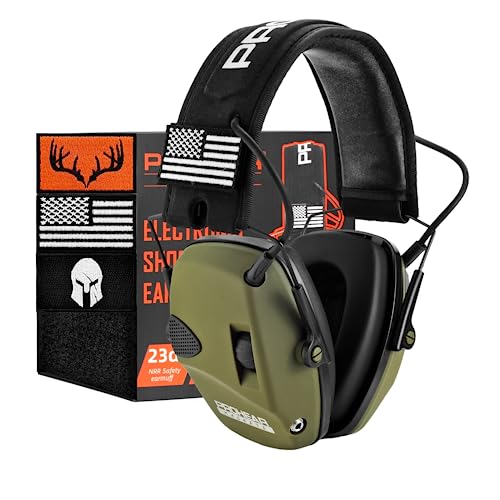
This PROHEAR model emphasizes smart technology that suppresses gunshot noise within 0.01 seconds while amplifying low-level sounds up to four times. It runs on two AAA batteries, delivering about 300 hours of operation. The wide cups and padded headband provide a comfortable fit across head sizes, with a lightweight feel around 0.6 pounds. ANSI S3.19 compliance and an NRR of 23 dB offer reliable protection for gun ranges, hunting, and other noisy tasks. The foldable design supports easy transport between matches or practice days.
PROHEAR 016 Shooting Ear Protection Earmuffs (Black & Green)
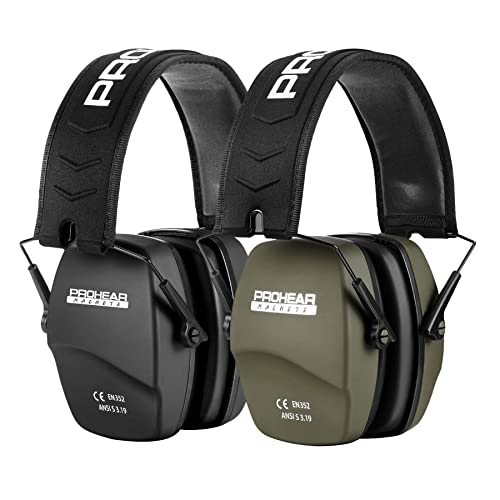
The PROHEAR 016 pair emphasizes compact, low-profile design with NRRF 26dB protection and SNR 31dB. The earmuffs use a lightweight frame and comfortable pads, with an adjustable headband to fit various head sizes. A foldable construction enables easy storage in a bag or crate, making them ideal for shooters who need quick protection on the move. The design prioritizes minimal interference with rifles or shotguns, reducing headband pressure during long clay sessions while maintaining sufficient noise reduction.
Safariland Pro Impulse Hearing Protection

Safariland’s Pro Impulse focuses on instant protection with patented filter technology designed to reduce impulse and impact noise while maintaining speech and ambient sound clarity. No battery dependency is required, making it reliable in rugged field conditions. The product is suitable for shotgun hunting, clay sports, and range practice, offering dependable protection without complex setup. The in-ear design provides a discreet fit, balancing hearing protection with situational awareness on the firing line.
Pro For Sho 34dB NRR Earmuffs
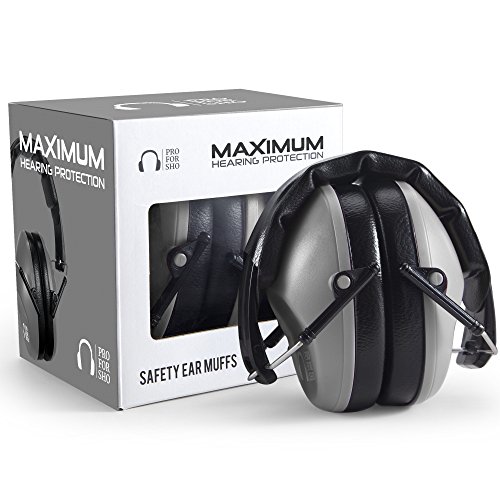
Pro For Sho offers a compact earmuff design with a high NRR of 34 dB, making them among the strongest protections in a smaller form factor. The brand promotes a break-in period to improve comfort and fit, especially for users with different head sizes, and provides a padded, adjustable headband. The slim build minimizes interference with aiming and weapon handling, making these a solid option for shooters who need quiet protection without compromising mobility on the range.
Buying Guide: Key Considerations For Clay Shooting Ear Protection
- Noise Reduction Rating (NRR) and amplification: Look for models offering strong passive protection (high NRR) alongside selective amplification to hear range commands and teammates without exposing ears to peak noise.
- Sound amplification vs. isolation: Some models amplify safe sounds (voices, cues) while attenuating loud noises; others are more isolating. Choose based on how much you need to hear your surroundings during targeted shooting and coaching.
- Fit and comfort: Comfort matters for long practice days. Consider adjustable headbands, padding, and cup shape. Low-profile designs minimize interference with aim and cheek weld.
- Durability and materials: Rugged housings, rubber coatings, and durable plastics help protect electronics and maintain performance in field conditions.
- Batteries and power: If choosing electronic amplification, check battery type (AA, AAA) and expected battery life to avoid mid-session replacements.
- Portability and storage: Foldable designs, compact cases, and light weight can ease transport to and from the range and storage between sessions.
- Standards and safety: Look for ANSI S3.19 compliance or equivalent certifications, ensuring the product meets recognized hearing protection standards.
- Versatility: Some earmuffs work well for hunting, woodworking, or mowing, offering value if you engage in multiple noisy activities beyond clay shooting.
Choosing ear protection for clay shooting involves balancing protection with situational awareness and comfort. The five models highlighted here provide a range of options, from slim, rugged muffs to electronically amplified choices designed for extended range sessions. Consider your typical range environment, head size, and whether you prioritize amplification for communication or maximum passive noise reduction for quiet precision. With the right pair, hearing protection becomes a seamless part of training and competition, not a distraction.
Add a Comment