Whether you’re building a backyard skeet range or traveling to pop-up shooting sessions, a hitch-mounted skeet thrower offers hands-free loading and easy transport. The following picks focus on stability, portability, and practical throw distance—ideal for hobbyists and seasoned shooters alike. This guide compares popular hitch-friendly throwers, highlighting features, durability, and setup considerations to help you choose the right model for your drills and flights.
| Product | Brand | Key Benefit |
|---|---|---|
| Do-All Outdoors Backyard Single 3/4-Cock | Do All Outdoors | Compact, adjustable throw, easy mounting |
| Ferus Outdoors Clay Thrower – XT210 | Ferus | Collapsible, portable with carry bag |
| juckeyroot Clay Thrower Sporting | juckeyroot | Adjustable angle and long throwing range |
| Allen Company EZ Aim Claymaster | AC Allen | Pull-cord operated, versatile and stable |
| VEVOR Clay Pigeon Thrower | VEVOR | Auto-spring with long range, pedal option |
Do-All Outdoors Backyard Single 3/4-Cock Skeet Thrower
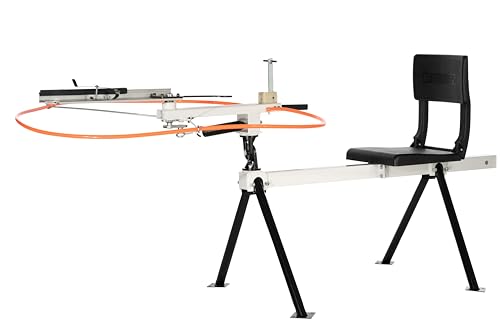
The Do-All Outdoors Backyard Single 3/4-Cock Skeet Thrower is a compact manual launcher designed for home use. It operates with a single 3/4 cock throw and supports singles or stacked doubles, offering a straightforward setup for backyard practice. The 3-pivot mounting system provides flexible alignment for different shooting angles and targets, making it a practical option for quick drills and family sessions. Its durable construction aims for long-lasting service in outdoor environments. A reliable choice for those who want a simple, sturdy thrower that travels well in standard practice scenarios.
Ferus Outdoors Clay Thrower – XT210

The Ferus XT210 is a collapsible clay thrower designed for portability and quick setup. Its exclusive collapsible design requires no tools and folds in seconds, making it ideal for hitch-mounted use where space matters. Included carry bag simplifies transport, and dual barrel springs help reduce stress on the mechanism by about half, extending component life. A wide, stable base with spiked feet helps prevent tipping on uneven surfaces, improving reliability during field use. This model balances convenience with robust build quality for frequent outdoor practice.
juckeyroot Clay Thrower Sporting Clay Target
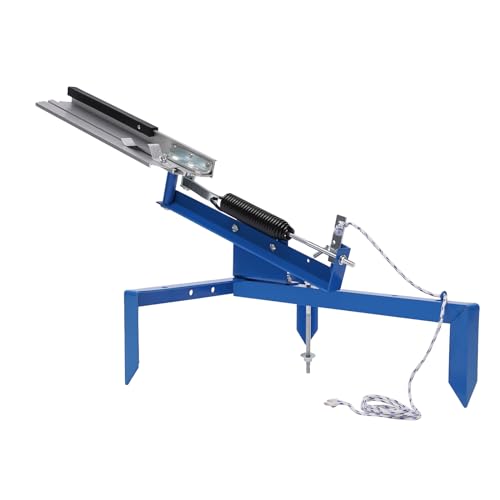
The juckeyroot Clay Thrower emphasizes adjustable angles and range to accommodate singles, stacked, and side-by-side doubles. With a design that aims for a throwing distance well beyond typical backyard setups, this unit uses screws to set angles from 5 to 35 degrees. It’s driven by a pressure-based mechanism, eliminating electricity needs and supporting safe, family-friendly practice sessions. The system includes essential accessories and straightforward setup guidance, enabling quick deployment for on-site practice or informal competitions.
Allen Company EZ Aim Claymaster

The Allen Company EZ Aim Claymaster is a pull-cord operated clay pigeon thrower designed for skeet and trap practice. It can launch one or two pigeons simultaneously, offering authentic shooting sessions. The unit features a wide, stable platform for consistent throws and is described as easy to assemble in minutes. Its lightweight, portable design makes it suitable for different shooting locations, while the adjustable throwing arm spring allows users to tailor distance and speed to match training goals. This model prioritizes versatility and ease of use.
VEVOR Clay Pigeon Thrower

VEVOR’s Clay Pigeon Thrower supports a large capacity with up to 28 clays and a pedal-activated auto-launch feature. The unit is designed for long-range throwing—over 45 yards—making it suitable for advanced practice and multi-angle training. It requires a 12V deep cycle battery (not included) and can launch targets automatically every two seconds with the pedal held, allowing for efficient, hands-free sessions. The adjustable angle helps tailor distances and trajectories for varied drills, making it a strong option for group training and continuous shooting practice.
Buying Guide: Key Purchase Considerations
- Power source and operation: Manual versus electric. Manual throwers rely on springs or pressure without electricity, which can reduce running costs and complexity. Electric/auto-launch models offer hands-free operation for longer practice sessions but require batteries or power sources and more maintenance.
- Stability and mounting: For hitch-mounted use, evaluate base design, ground stability features (spiked feet, wide footprints), and whether the unit includes a hitch adapter or requires separate mounting hardware. A stable platform reduces tipping during launches and uneven ground conditions.
- Adjustability: Look for adjustable angle (5–35° common) to accommodate singles, doubles, and stacked targets. Some models offer extended throw distances or programmable sequences for varied training drills.
- Portability: Collapsible designs and included carry bags are beneficial for frequent transport. Weight, foldability, and quick setup affect how easily the unit fits into a vehicle and how fast you can deploy it on-site.
- Durability and weather resistance: Outdoor use demands rust-resistant materials and robust construction. Consider coatings, seals, and spring life warranties for long-term performance.
- Target capacity and distance: The number of clays loaded at once and the maximum flight distance affect drill versatility. Longer throws enable longer-range practice but may require stronger mounts and steadier supports.
- Maintenance: Check for easy access to springs and moving parts, availability of replacement parts, and whether the manufacturer provides clear assembly and maintenance guidance.
- Safety: Ensure the design minimizes risk during loading and firing. Stable footprints, proper rope and spring tension, and clear user manuals are important for safe operation, particularly in shared or public spaces.
Add a Comment