Whether you’re logging miles on road rides, tackling multi-day routes, or chasing personal endurance goals, a well-designed long distance bike saddle makes a big difference. This guide highlights five top-rated saddles that emphasize comfort, pressure relief, and stable support for extended rides. Each product features a blend of padding, ergonomic design, and durable materials to help riders stay focused on the road rather than saddle numbness or discomfort. Use the buying guide below to compare key considerations and find the right fit for your riding style.
Summary of chosen products:
| Product | Brand | Key Benefit |
|---|---|---|
| Planet Bike Anatomic Relief System Classic | Planet Bike | Full-length relief channel for comfort |
| Fizik Transiro Aeris R3 | Fizik | Split nose pressure relief for aero positions |
| Fizik Transiro Aeris R5 | Fizik | Lightweight triathlon-focused design with split nose |
| YOACHNE Comfortable Bike Saddle | YOACHNE | Memory foam with multi-zone support |
| Fizik Transiro Aeris R1 | Fizik | Stiff carbon rail and split nose for long aero sessions |
Planet Bike Anatomic Relief System Classic Bike Seat

The Planet Bike Anatomic Relief System Classic Bike Seat centers comfort on a foam-padded base with a flexible shell to reduce fatigue during long rides. Its full-length center relief channel is designed to minimize sit-bone pressure and numbness, enabling riders to maintain a steady cadence for extended periods. A Lyra cover resists wear while offering a smooth surface that endures repeated use. This saddle is suited for riders who prioritize long-haul comfort over aggressive performance geometry. The combination of padding, relief design, and durable cover makes it a reliable option for endurance cycling.
Fizik Transiro Aeris Long Distance R3

The Aeris R3 is a triathlon-oriented saddle designed for stability in the aero time-trial position. It combines a ride-compliant carbon-reinforced nylon shell with a Kium hollow rail for a favorable strength-to-weight balance. A split nose delivers unprecedented pressure relief while maintaining firm support, ideal for riders who spend long hours in a forward-leaning posture. The R3 aims to reduce soft tissue pressure and enhance endurance comfort, making it a strong choice for those who value aerodynamics without sacrificing comfort on lengthy efforts.
Fizik Transiro Aeris Long Distance R5
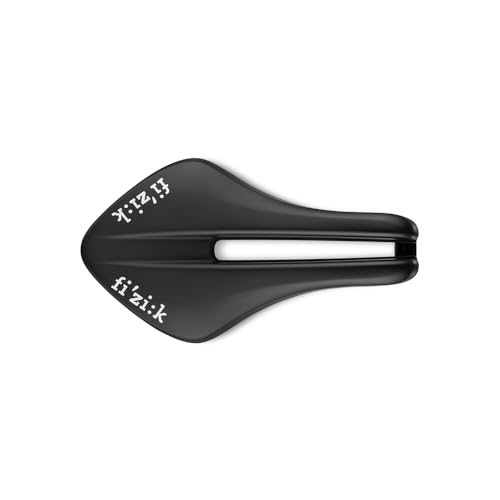
The Transiro Aeris R5 is a lightweight triathlon saddle that pairs a carbon-reinforced nylon shell with an S-Alloy rail. Like the R3, it features a split nose to provide targeted pressure relief while preserving the balance required for long aero sessions. The R5 emphasizes a balance of light weight and support, making it suitable for riders who push efficiency during extended rides and time trials alike. This model suits cyclists seeking a high-performance option with endurance-ready comfort features.
YOACHNE Comfortable Bike Saddle for Long Rides

YOACHNE offers a broad, unisex saddle designed for long rides, emphasizing a comfortable contact point with expanded sit bone support. The memory foam is segmented into zones (the MSS system) to tailor density for different pressures, aiming to reduce fatigue. A hollow, breathable design helps maximize blood flow while minimizing soft-tissue pressure. The saddle’s memory foam, air-flow-oriented contour, and anti-slip surface work together to sustain comfort on diverse terrains, including city commutes and multi-hour road rides.
Fizik Tempo Aliante R3

The Tempo Aliante R3 focuses on a waved profile to maximize comfort, support, and pressure relief during road cycling. Its carbon-reinforced nylon shell with a Kium hollow rail offers a balance of rigidity and lightness, while WingFlex technology allows the shell’s edges to flex in response to rider movement. This combination aims to keep the hips aligned and reduce perineal pressure on longer rides, making it a suitable option for riders who want reliable comfort without unnecessary bulk.
Buying Guide: Key Purchase Considerations
- Riding position: Assess whether you spend most of your time in an upright posture or an aggressive aero stance. Split-nose designs and long relief channels tend to benefit those in aero positions.
- Pressure relief vs. support: For extended rides, prioritize saddles with targeted relief (split nose, center channels) while maintaining adequate support for sit bones.
- Padding and density: Memory foam-enabled saddles offer variable pressure distribution. Too much padding can lead to chafing; too little can cause numbness.
- Shell and rails: Carbon-reinforced shells with lightweight rails help reduce weight while preserving stiffness. Rails also affect ride feel and adjustability on the post.
- Fit and width: Seat width should align with hip width; a mismatch can aggravate pressure points. Look for models offering different widths or adjustable features where possible.
- Cover material and durability: A durable cover resists wear from repeated rides and weather exposure. Lycra or synthetic covers are common for long-distance use.
- Durability vs. weight trade-off: Lighter saddles may deliver performance advantages, but ensure they don’t compromise comfort for endurance goals.
- Rider testing: If possible, test multiple saddles or choose brands offering return policies to sample fit across weeks of riding.
Across these options, riders seeking maximum comfort on long rides should weigh center relief features, overall saddle width, and compatibility with their cycling posture. Performance-oriented models emphasize carbon shells and split noses, while comfort-focused saddles prioritize memory foam, broader sit-bone support, and durable coverings. Considering your typical riding routes, posture, and comfort preferences will help identify the best long-distance saddle for your needs.
Add a Comment