Recovering mobility after a spinal cord injury often benefits from targeted, low-impact equipment that supports safe therapy at home. This guide highlights practical tools designed for stretching, strengthening, and traction-based relief, with an emphasis on accessibility and ease of use. Each selection prioritizes safety, durability, and clear benefits for SCI rehab routines. Read on to compare options, understand key features, and find equipment that fits your routine and space.
| Product | Brand | Type | Top Benefit |
|---|---|---|---|
| Multifunction Tension Rope (Purple) | FateFan | Resistance Band | Full-body shaping and flexibility |
| 6-Tubes Tension Rope (Purple) | Kammoy | Resistance Band | High-tension, multi-area workouts |
| InLine Traction System | Stamina | Back/Spine Traction | Low-impact decompression at home |
| Shoulder Pulley | Generic | Shoulder Rehab Tool | Rotator cuff and flexibility work |
| Spinal Cord Injury Awareness Apparel | Various | Apparel | Support and awareness |
FateFan Multifunction Tension Rope
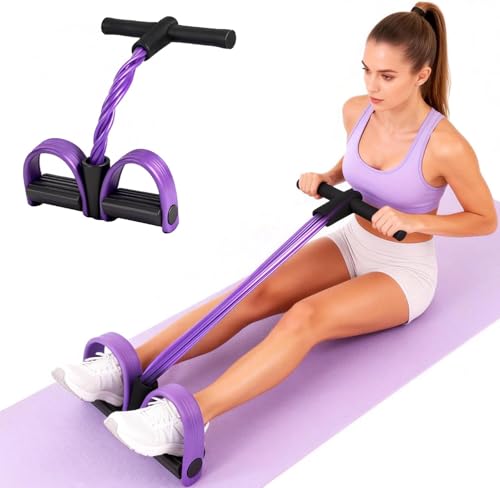
The FateFan 6-tube pedal resistance rope uses environmental foam handles and NBR tubes for health-conscious training. The six-pull design provides higher elasticity and strength than simpler bands, enabling comprehensive workouts for the arms, tummy, shoulders, legs, and butt. This versatility supports core stability and mobility work suitable for home rehab settings. The equipment is portable, lightweight, and easy to store, aiding routine consistency in limited spaces.
Kammoy 6-Tubes Tension Rope
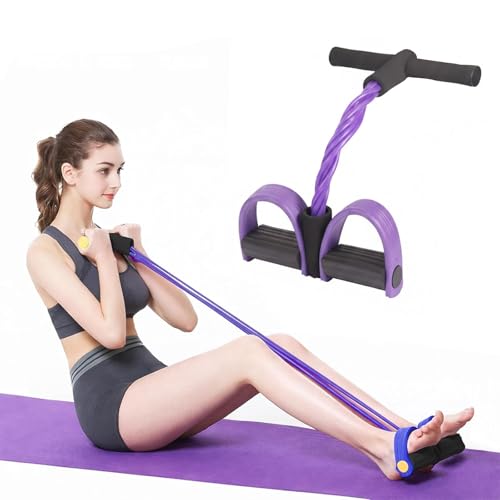
The Kammoy 6-tube tension rope is a high-tension elastic band set with foam-wrapped handles and a high-density foam pedal. It targets multiple muscle groups—shoulders, back, abdomen, waist, arms, and legs—supporting shaping, arm thinning, and torso stabilization. The design emphasizes a non-slip grip and durable latex tubes to sustain sweat exposure during longer sessions. It is well-suited for progressive resistance in SCI rehabilitation routines at home.
Stamina InLine Traction Control System

This back pain relief and spine decompression device offers traction-based stretching from a flat position, avoiding inversion tables. It aims to improve posture and spinal alignment by enabling controlled traction for the back, hips, and legs. It’s adjustable via a padded lap belt and arm supports to suit different body sizes and mobility levels, making it a practical option for home use where professional therapy resources are limited.
Shoulder Pulley For Physical Therapy

This portable shoulder rehabilitation tool supports rotator cuff health, impingement relief, and frozen shoulder recovery. With adjustable length and a collapsible design, it accommodates various body sizes and therapy plans. It helps restore mobility while reducing discomfort, enabling safe, targeted flexibility training and gradual strength gains in outpatient or home programs.
Spinal Cord Injury Awareness Month T-Shirts

Apparel supporting spinal cord injury awareness. While not a piece of exercise equipment, these items foster community support and motivation for SCI rehabilitation journeys. They can complement therapeutic routines by reinforcing resilience and sharing educational messages during rehab or fitness events. Lightweight and standard-fit designs are suitable for everyday wear and gentle activity days.
Buying Guide: Key Purchase Considerations
- Assessment of needs: Determine whether you require traction, resistance, or mobility-focused devices. SCI rehab often benefits from combining a traction system with adjustable resistance bands to target spinal alignment and range of motion.
- Safety and comfort: Look for padded handles, non-slip grips, and materials that resist sweating. Foam padding and durable latex components improve safety during longer sessions and reduce skin irritation.
- Adjustability: Equipment should adapt to changing mobility levels. Seek products with adjustable belts, heights, and resistance levels to maintain progressive challenge without overstressing joints.
- Space and portability: For home use, prioritize compact, easy-to-store options. Foldable or lightweight designs help maintain a consistent rehab schedule in small living spaces.
- Support and compatibility: Consider whether you need devices that pair with physical therapists’ guidance or can be used independently. Accessories like pulleys and traction belts should be compatible with standard home equipment setups.
- Durability and warranty: Given daily use, preference should be given to brands offering durable materials and reasonable warranty terms to cover wear over time.
- Multimodal approach: A combination of resistance bands, traction systems, and mobility tools tends to provide broader benefits for SCI rehab, addressing strength, flexibility, and alignment in a balanced way.
- Price-to-value: Compare long-term utility and rehab effectiveness rather than focusing solely on upfront cost. Durable systems with multiple configurations offer greater long-term value for SCI exercise programs.
Add a Comment